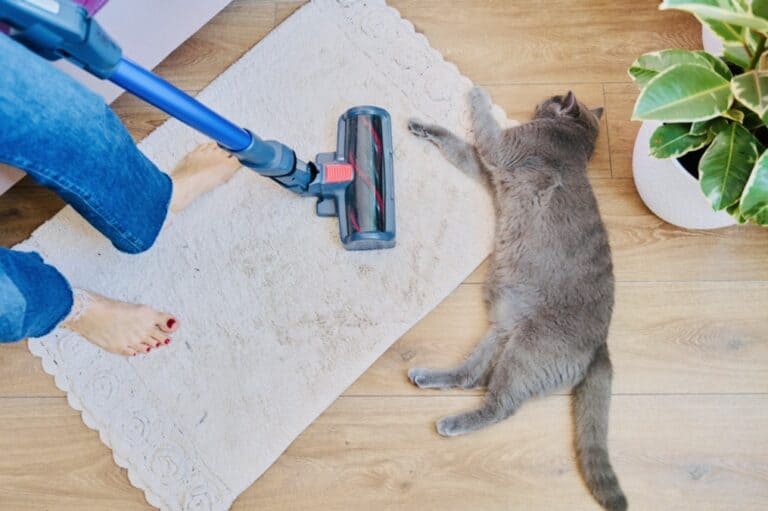
Why Does My House Still Smell Like Dog? (9 Common Causes & Easy Fixes)
Introduction
If you’ve vacuumed the floors, washed your dog’s bedding and opened the windows, you might be wondering why your house still smells like dog.
The truth is, even homes that look clean can develop lingering pet odours. Dog smells often become trapped in carpets, rugs, furniture, curtains, bedding and other soft furnishings. Over time, body oils, saliva, loose hair, dirt and pet dander build up in these areas, allowing unpleasant smells to spread throughout your home.
This post may contain affiliate links. As an Amazon Associate and affiliate partner, I may earn a commission from qualifying purchases at no extra cost to you.
| Product | Best For | Why I Recommend It | Check Price |
|---|---|---|---|
| Enzyme Cleaner | Pet urine & accidents | Breaks down odours at the source | 🛒 Check Price on Amazon |
| Air Purifier | Everyday pet smells | Removes airborne odours and dander | 🛒 Check Price on Amazon |
| Carpet Cleaner | Smelly carpets | Deep cleans pet messes | 🛒 Check Price on Amazon |
| Odour Eliminator Spray | Quick refresh | Neutralises pet odours | 🛒 Check Price on Amazon |
| Pet Grooming Brush | Reducing smell at the source | Removes loose hair and dirt | 🛒 Check Price on Amazon |
In some cases, the source of the odour may even be circulating through the air or hiding inside your vacuum cleaner. The good news is that you don’t have to live with a home that smells like your dog.
Once you identify where the odour is coming from, it’s usually much easier to remove and prevent it from returning. In this guide, you’ll discover the 9 most common reasons your house still smells like dog, along with practical cleaning tips that actually work.
I’ll also recommend some of the best products to help eliminate stubborn pet odours, reduce shedding and keep your home smelling fresher for longer.
Whether the smell is coming from your carpets, couch, dog bed or something you’ve completely overlooked, these simple solutions can help you enjoy a cleaner, fresher and more pet-friendly home.
1. Your Dog’s Bedding Needs Washing
If your house still smells like dog even after vacuuming and cleaning, your dog’s bedding could be the hidden culprit.
Dog beds, blankets and favourite sleeping spots absorb body oils, saliva, dirt and moisture every day. Over time, these materials create the perfect environment for bacteria that cause unpleasant odours. Even if your dog is clean, their bedding can quickly develop a strong smell if it isn’t washed regularly.
As a general rule, wash your dog’s bedding every one to two weeks, or more often if they spend a lot of time outdoors, enjoy swimming or shed heavily. Always check the care label before washing and use a pet-safe laundry detergent that’s gentle on your dog’s skin while still removing dirt and odours.
After washing, make sure the bedding is completely dry before putting it back. Damp bedding can quickly develop a musty smell, which can spread throughout your home.
If the odour remains after washing, it may be time to replace older bedding. Over time, pet beds can absorb oils and smells so deeply that even regular washing won’t completely remove them.
For homes with multiple pets or persistent odours, an odour eliminator can also help freshen the surrounding area between washes.
🧺 Recommended Laundry Detergent for Dog Bedding
Regular washing helps prevent dog odours from building up, but choosing a quality laundry detergent can make an even bigger difference. This pet-friendly option helps remove stubborn smells from dog bedding while remaining gentle on fabrics and suitable for regular use.
Why I recommend it: It’s fragrance-free, gentle on fabrics and a great choice for regularly washing dog bedding without using harsh chemicals.

🧴 Recommended Odour Eliminator for Lingering Dog Smells
Even after washing your dog’s bedding, lingering odours can remain in carpets, furniture and other soft furnishings. An enzyme-based odour eliminator helps break down the source of the smell instead of simply masking it.
Why I recommend it: It’s designed to neutralise stubborn pet odours at the source, making it a great option for homes with dogs.

💡 Related Guides
If you’re looking for more ways to keep your home fresh, explore my guide to pet-safe cleaning products for everyday cleaning essentials.
You can also compare the best odour eliminators if you’re dealing with stubborn pet smells throughout your home.
If pet hair is also becoming a problem, my guide on How to Remove Dog Hair From Clothes shares simple ways to keep clothing, blankets and other fabrics fur-free.
2. Pet Hair Is Trapping Odours
If your home still smells like dog despite regular cleaning, pet hair could be contributing to the problem.
Loose fur doesn’t just collect on your floors—it traps body oils, dirt, dust, dander and other particles that create unpleasant odours over time. Hair can become embedded in carpets, rugs, furniture and even curtains, allowing smells to linger long after you’ve vacuumed.
Vacuuming regularly with a vacuum designed for pet owners helps remove loose hair before it builds up. Brushing your dog several times a week can also reduce the amount of fur spreading throughout your home, making it easier to keep your house fresh.
If you’re struggling with stubborn pet hair, don’t miss my guide to the Best Robot Vacuums for Pet Hair, where I compare some of the best options for busy pet owners. You can also read How to Remove Pet Hair From Carpet for more cleaning tips and practical cleaning methods.
💡 Quick Tip
Removing pet hair regularly not only keeps your home looking cleaner but also helps eliminate the odours trapped in fur before they spread throughout your home.
🤖 Recommended Robot Vacuum for Pet Hair
A robot vacuum is one of the easiest ways to stay on top of pet hair before it builds up in carpets and around your home. Running it daily can help reduce loose fur, dust and dander, making it easier to maintain a cleaner, fresher-smelling house.
Why I recommend it: It automatically removes pet hair every day, helping reduce the build-up of hair and odours with minimal effort.

3. Your Carpet Is Holding Dog Smells
Carpets are one of the biggest sources of lingering dog odours because they absorb much more than visible dirt. Muddy paws, pet accidents, body oils and loose hair all work their way deep into the carpet fibres, where they can remain even after vacuuming.
If your house smells worse on humid or rainy days, moisture may be reactivating odours trapped below the surface. In many cases, vacuuming alone isn’t enough to remove these smells.
Deep cleaning your carpets every few months helps lift dirt, bacteria and odour-causing residue. For tougher smells, enzyme cleaners work by breaking down the organic material causing the odour instead of simply masking it.
If your carpets are also covered in fur, take a look at my guide on How to Remove Pet Hair From Carpet. For more product recommendations, visit my Best Pet Cleaning Products (2026 Guide).
🧴 Recommended Enzyme Cleaner for Dog Odours
If dog odours keep returning, an enzyme cleaner can help remove the source of the smell instead of simply covering it up. It’s ideal for pet accidents, muddy paw prints and stubborn odours trapped in carpet fibres.
Why I recommend it: It breaks down odour-causing organic matter, making it one of the most effective solutions for persistent pet smells.
💡 Quick Tip
Treat accidents as soon as possible. The longer odours remain in carpet fibres, the more difficult they become to remove.
🧼 Recommended Carpet Cleaner for Pet Homes
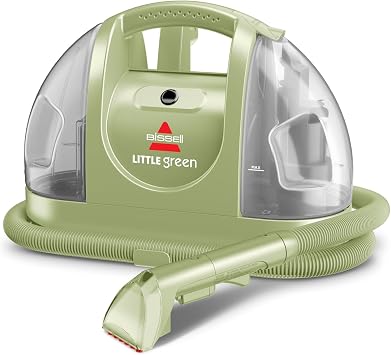
Deep cleaning your carpets every few months helps remove trapped pet hair, dirt and odours that regular vacuuming can miss. A portable carpet cleaner is a worthwhile investment for homes with dogs.
Why I recommend it: It’s designed to lift dirt and odours from deep within carpet fibres, helping keep your home cleaner and fresher.
4. Pet Hair and Body Oils Are Trapped in Your Furniture
Your couch, armchairs and other upholstered furniture can hold onto dog odours much longer than you might expect. Every time your dog jumps onto the furniture, loose hair, body oils, saliva, dirt and dander are transferred onto the fabric. Over time, these particles build up deep within the fibres, creating lingering smells that can make your entire living room feel less fresh.
Unlike hard surfaces, upholstered furniture absorbs odours and traps pet hair where it’s difficult to see. Even if your couch looks clean, embedded fur and body oils can continue to produce unpleasant smells if they aren’t removed regularly.
Vacuuming your furniture once or twice a week helps remove loose pet hair before it works its way deeper into the fabric. For everyday maintenance, a reusable pet hair remover can quickly lift stubborn hair from couches, cushions, blankets and fabric chairs without damaging delicate upholstery. Keeping furniture free from pet hair also helps reduce the dirt and dander that contribute to lingering odours.
If pet hair is becoming a problem throughout your home, you may also find my guide on How to Remove Cat Hair From the Couch helpful. It includes simple cleaning tips and practical ways to keep furniture looking cleaner between deep cleans.
💡 Quick Tip
Removing pet hair from your furniture every few days helps prevent body oils, dirt and dander from building up, making it much easier to keep your home smelling fresh.
🐾 Recommended Pet Hair Remover for Furniture
A reusable pet hair remover is one of the quickest ways to lift stubborn fur from upholstered furniture without wasting disposable lint roller sheets. It’s ideal for removing pet hair from couches, chairs, cushions and blankets before it becomes trapped in the fabric.
Why I recommend it: It removes embedded pet hair in just a few passes, helping reduce the build-up of fur, dirt and dander that can contribute to lingering dog odours around your home.

5. You’re Only Covering the Smell
Many pet owners reach for air fresheners when their house smells like dog, but these products usually only mask the odour for a short time. While your home may smell fresher initially, the unpleasant smell often returns because the source of the problem hasn’t been removed.
Dog odours are usually caused by bacteria, urine residue, body oils, saliva and other organic matter that become trapped in carpets, furniture and pet bedding. Unless these odour-causing particles are properly cleaned away, the smell will continue to return no matter how much air freshener you use.
Enzyme cleaners work differently. Instead of covering unpleasant smells with fragrance, they break down the organic material responsible for the odour. This makes them one of the most effective cleaning products for homes with dogs, especially if you’re dealing with pet accidents or lingering smells that won’t go away.
If you’re looking for products that actually eliminate pet odours instead of simply masking them, check out my guide to the Best Odour Eliminators for Pet Homes where I compare some of the best options available.
💡 Quick Tip
Always remove the source of the odour first. Air fresheners should only be used after you’ve cleaned the affected area, not as a replacement for proper cleaning.
🧴 Recommended Enzyme Cleaner for Dog Odours
If stubborn dog smells keep returning after cleaning, an enzyme cleaner can help eliminate the source of the odour instead of simply covering it up.
Why I recommend it: It breaks down odour-causing bacteria and organic matter, making it one of the most effective products for removing lingering pet smells.
6. Your Air Needs Cleaning
Dog odours don’t just settle on carpets and furniture—they also circulate through the air. Tiny particles of pet dander, dust, hair and body oils can remain airborne for hours, making your home smell less fresh even after you’ve finished cleaning.
This is especially common in homes with multiple pets, limited ventilation or during heavy shedding seasons. Even if your floors are spotless, airborne pet dander can continue to contribute to lingering odours throughout your home.
Opening windows regularly helps improve airflow, but an air purifier with a HEPA filter can continuously capture pet dander, dust and other airborne particles before they settle around your home.
If you’re thinking about improving your indoor air quality, read my guide to the Best Air Purifiers for Homes with Pets to compare the best options for pet owners.
💡 Quick Tip
Running an air purifier every day can help reduce pet odours, improve indoor air quality and minimise the amount of pet dander circulating through your home.
🌬️ Recommended Air Purifier for Pet Homes
A quality air purifier helps remove airborne pet dander, dust and odours before they settle throughout your home.
Why I recommend it: It continuously filters the air, helping your home stay fresher while reducing allergens and pet smells.

7. Your Dog Needs More Grooming
One of the easiest ways to reduce dog odours is to prevent loose hair, dirt and body oils from spreading around your home in the first place.
Every time you brush your dog, you remove loose fur, dead skin cells and dirt before they end up on your furniture, carpets and bedding. Regular grooming also helps distribute your dog’s natural oils more evenly through their coat, reducing greasy build-up that can contribute to unpleasant smells.
Dogs that shed heavily can quickly fill a home with loose hair, making regular brushing even more important. Investing in a quality grooming tool can make the job faster and more comfortable for both you and your pet.
For more grooming recommendations, take a look at my guide to the Best Pet Grooming Vacuums for Dogs & Cats (2026 Guide).
💡 Quick Tip
Brushing your dog several times a week—especially outdoors—helps reduce the amount of loose hair that ends up inside your home.
🪮 Recommended Grooming Tool for Reducing Shedding
Regular grooming removes loose fur before it spreads throughout your home, helping reduce both pet hair and lingering odours.
Why I recommend it: It removes loose undercoat efficiently, making cleaning easier while helping reduce the amount of hair around your home.

8. Your Vacuum Needs Cleaning
Believe it or not, your vacuum cleaner can actually become a source of unpleasant smells.
As pet hair, dust, dirt and dander collect inside the dust bin, filters and brush roll, your vacuum may begin blowing stale air back into your home every time you use it. A clogged filter also reduces suction, making it harder to remove pet hair and odours from your floors.
To keep your vacuum performing at its best, empty the dust bin after every use, clean or replace filters according to the manufacturer’s instructions and regularly remove tangled hair from the brush roll.
If your vacuum still struggles to pick up pet hair, read my guide on Why Doesn’t My Vacuum Pick Up Pet Hair? for more troubleshooting tips.
💡 Quick Tip
A clean vacuum not only performs better but also helps prevent stale odours from spreading while you clean.
🧹 Recommended Vacuum Maintenance Kit
Replacing worn filters and keeping your vacuum clean helps maintain strong suction and prevents unpleasant odours from building up inside the machine.
Why I recommend it: Clean filters improve airflow, increase suction and help capture more pet hair and dander.

9. Your Home Needs a Regular Cleaning Routine
Keeping your house smelling fresh isn’t about spending hours cleaning every day—it’s about creating a simple routine and sticking to it.
Vacuum high-traffic areas several times a week, wash your dog’s bedding every one to two weeks and clean accidents as soon as they happen using an enzyme cleaner. Wiping down food bowls, washing blankets, brushing your dog regularly and keeping furniture free from pet hair all help prevent odours from building up over time.
Small cleaning habits carried out consistently are far more effective than occasional deep cleans. By staying on top of pet hair, dirt and odours throughout the week, you’ll spend less time tackling stubborn smells later.
If you’re looking for more cleaning tools, don’t miss my Best Pet Cleaning Products (2026 Guide) and Best Odour Eliminators for Pet Homes for additional recommendations.
💡 Quick Tip
A simple weekly cleaning routine is one of the easiest ways to keep your home smelling fresh while reducing pet hair and odours before they become a bigger problem.
⭐ My Recommended Pet Cleaning Essential
If you only invest in one cleaning tool, choose one that you’ll use consistently. Regular maintenance is the key to preventing pet odours from building up around your home.
Why I recommend it: Using the right cleaning products consistently makes keeping your home fresh much easier than waiting until odours become a problem.
| Product Image | Product Name | Primary Button |
|---|---|---|
|
|
||
|
|
||
|
|
||
|
|
||
|
|
||
|
|
||
|
|
||
|
|
Frequently Asked Questions
Why does my house still smell like dog even after cleaning?
If your home still smells like dog after cleaning, the odour is usually trapped in carpets, furniture, pet bedding or other soft furnishings. Body oils, pet hair, saliva and dander can build up over time, allowing smells to linger even after vacuuming. Deep cleaning these areas and using enzyme-based cleaners can help remove the source of the odour rather than simply masking it.
How do I get rid of dog smell in my house permanently?
The best way to eliminate dog odours is to identify the source. Wash your dog’s bedding regularly, vacuum carpets and furniture, clean accidents immediately with an enzyme cleaner and groom your dog often to reduce loose hair and oils. Using an air purifier can also help improve indoor air quality by reducing pet dander and airborne particles.
What is the best product to remove dog odours?
Enzyme cleaners are one of the most effective products because they break down the organic matter causing the smell instead of covering it up. If odours have soaked into carpets or upholstery, a portable carpet cleaner can also help remove stubborn smells from deep within the fabric.
How often should I wash my dog’s bedding?
Most pet owners should wash their dog’s bedding every one to two weeks. If your dog spends a lot of time outdoors, sheds heavily or enjoys swimming, washing it more frequently can help prevent odours from building up around your home.
Can pet hair make my house smell?
Yes. Pet hair can trap body oils, dust, dirt and dander, all of which contribute to lingering odours. Removing loose hair regularly with a vacuum or reusable pet hair remover helps keep your home cleaner and fresher.
Do air purifiers help remove dog smells?
Air purifiers won’t remove stains or accidents, but they can help reduce airborne pet odours, dander and dust that contribute to unpleasant smells. For the best results, use an air purifier alongside regular vacuuming and cleaning.
Why does my couch smell like my dog?
Your couch absorbs body oils, saliva, loose hair and dirt every time your dog lies on it. Over time, these contaminants become trapped in the upholstery, creating lingering odours. Vacuuming regularly, washing removable covers and cleaning upholstery with pet-safe products can help keep your furniture smelling fresh.
How can I stop my house from smelling like dog in the future?
Preventing dog odours is much easier than removing them once they’ve built up. Vacuum regularly, groom your dog often, wash pet bedding every one to two weeks, clean accidents immediately and keep furniture free from pet hair. Following a consistent cleaning routine will help keep your home smelling fresh all year round.
How to Tell Where the Dog Smell Is Coming From
Sometimes the hardest part isn’t removing the smell—it’s figuring out what’s causing it.
Before buying new cleaning products, spend a few minutes checking the areas where odours commonly build up. Start at your dog’s favourite sleeping spots, then move through the rest of your home.
Ask yourself these questions:
- Does the smell get stronger near the couch or pet bed?
- Is the odour worse after it rains or after your dog comes inside?
- Does the carpet smell stronger than the rest of the room?
- Is the smell coming from your vacuum cleaner when you use it?
- Have you recently washed your dog’s bedding?
Identifying the source helps you choose the right cleaning solution. For example, an air purifier can improve air quality, but it won’t remove urine that’s soaked into carpet. Likewise, vacuuming every day won’t solve the problem if the smell is coming from an unwashed dog bed.
Taking a few minutes to identify the source will save both time and money, while giving you much better results.
Why Air Fresheners Don’t Solve Dog Odours
Many people try to solve pet odours by spraying air freshener around the house.
Unfortunately, this usually only masks the smell for a short time.
Dog odours are often caused by bacteria, body oils, saliva and organic material that become trapped in soft furnishings. Spraying fragrance over the top doesn’t remove the source—it simply mixes one smell with another.
That’s why enzyme cleaners are often far more effective. Instead of covering the odour, they break down the organic matter causing the smell in the first place.
If your home smells fresh for an hour before the dog smell returns, you’re probably masking the problem rather than removing it.
For everyday freshness, combine an enzyme cleaner with regular vacuuming, good ventilation and an air purifier. Together, these steps help remove odours instead of simply hiding them.
Don’t Forget Hard Floors
While carpets often receive the most attention, hard floors can also trap pet odours.
Small amounts of dirt, drool and muddy paw prints can collect in grout lines, corners and underneath furniture. Over time these areas can develop an unpleasant smell, especially in homes with multiple pets.
Regular mopping with a pet-safe floor cleaner helps remove residue before it builds up.
If you have hardwood floors, avoid using excessive water and always follow the flooring manufacturer’s cleaning recommendations.
For homes with tile or laminate flooring, paying attention to skirting boards, corners and underneath food bowls can make a noticeable difference.
Clean Your Dog’s Toys and Feeding Area
Dog toys are often overlooked during regular cleaning.
Chew toys, soft toys and food bowls can collect saliva, food residue and bacteria that contribute to unpleasant smells around the home.
Try to:
- Wash soft toys regularly.
- Clean rubber toys with warm soapy water.
- Wash food and water bowls daily.
- Wipe around the feeding area after meals.
- Replace damaged toys that are difficult to clean.
If your dog enjoys messy treats or wet food, the feeding area may be contributing more to household odours than you realise.
Keeping this area clean not only helps reduce smells but also creates a healthier environment for your pet.
How Often Should You Deep Clean a Home With Dogs?
The ideal cleaning schedule depends on how many dogs you have, how much they shed and how often they spend time indoors.
As A General Guide:
Daily
- Vacuum high-traffic areas.
- Wipe muddy paws.
- Empty vacuum bins if needed.
Weekly
- Wash dog bedding.
- Vacuum furniture.
- Mop hard floors.
- Clean food bowls thoroughly.
Monthly
- Deep clean carpets.
- Wash removable couch covers.
- Replace or clean vacuum filters.
- Groom your dog thoroughly.
Following a regular routine prevents smells from becoming established, making cleaning much easier in the long run.
When It’s Time to Replace Cleaning Equipment
Sometimes the issue isn’t your cleaning routine—it’s the equipment you’re using.
Older vacuums may lose suction as filters clog, seals wear out or brush rolls become tangled with hair.
Signs it may be time to upgrade include:
- Poor suction.
- Strong smells coming from the vacuum.
- Hair left behind after vacuuming.
- Filters needing constant replacement.
- Brush rolls no longer spinning properly.
Modern vacuums designed for pet owners often include:
- HEPA filtration.
- Anti-hair-wrap brush rolls.
- Motorised pet tools.
- Better sealed filtration systems.
If you’re vacuuming frequently but still struggling with dog smells and pet hair, upgrading to a vacuum designed for homes with pets can make cleaning faster and more effective.
You can also read my guide to the Best Robot Vacuums for Pet Hair if you’re looking for an option that helps maintain clean floors every day.
Small Habits That Make a Big Difference
Keeping your home smelling fresh doesn’t require hours of cleaning every day.
Often it’s the small habits that have the biggest impact over time.
Simple changes include:
- Brushing your dog before they come inside after walks.
- Washing bedding before it starts to smell.
- Vacuuming little and often instead of waiting until hair builds up.
- Opening windows whenever possible to improve airflow.
- Cleaning accidents immediately with an enzyme cleaner.
- Keeping blankets on your dog’s favourite furniture so they’re easy to wash.
- Grooming regularly to reduce loose hair and natural oils around the home.
These habits work together to stop odours building up in the first place, meaning less time spent deep cleaning later.
Final Thoughts
Keeping your home smelling fresh doesn’t mean you have to stop enjoying life with your dog. By identifying where odours are coming from and cleaning those areas regularly, you can dramatically reduce lingering pet smells.
Small habits like washing your dog’s bedding, vacuuming furniture and using the right pet-safe cleaning products all add up over time. If you’re looking for products that can make the job easier, I’ve included my favourite recommendations throughout this guide to help you maintain a cleaner, fresher and more pet-friendly home.
You Might Also Like:
- Best Robot Vacuums for Pet Hair
- Best Air Purifiers for Homes with Pets
- Best Odour Eliminators for Pet Homes
- How to Remove Pet Hair From Carpet
- How to Remove Dog Hair From Clothes
- How to Remove Cat Hair From the Couch
- Why Doesn’t My Vacuum Pick Up Pet Hair?
- Best Pet Cleaning Products (2026 Guide)
We are a participant in the Amazon Services, LLC Associates Program, an Affiliate Advertising Program designed to provide a means for us to earn fees by linking to Amazon.com and affiliated sites.